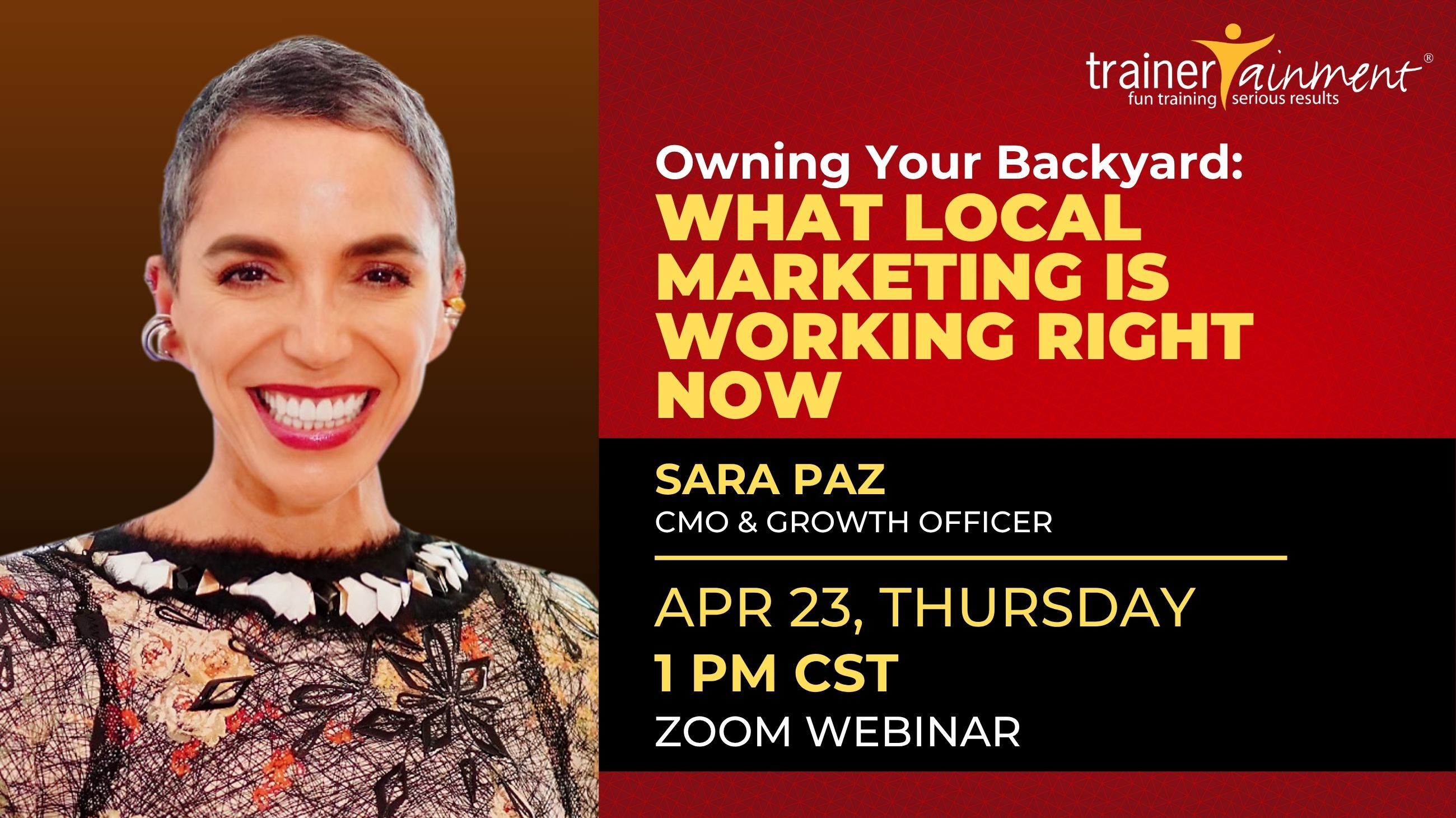
When people hear "local marketing," they often think of social media ads or community events. But here's the challenge: think differently—local marketing actually starts with understanding the people who live, work, and play around your venue, then creating experiences that genuinely resonate with them.
Embed's Chief Marketing Officer Sara Paz gives an insider look at how data plays an increasingly important role in helping operators like you understand your target audiences. Instead of guesswork, venues can analyse guest behaviour to uncover who is visiting, when they are coming, how frequently they return, and which attractions they enjoy most. These insights help you make better decisions across marketing, operations, and guest engagement.
Bringing Local Marketing Home
Rather than trying to appeal to everyone, successful FEC operators identify the audiences they are best positioned to serve. Families with young children, teenagers, corporate groups, schools, sports clubs, childcare centres, and tourists all have different needs, motivations, and visiting patterns. Knowing your local audience allows you to tailor promotions, events, and experiences that feel relevant instead of generic.
Owning your backyard starts with knowing your community better than anyone else. By combining local partnerships, customer insights, and the right technology, FEC operators can create experiences that attract new guests, encourage repeat visits, and build lasting loyalty.
"Success doesn't come from chasing every marketing trend—it comes from continuously testing new ideas, learning from your guests, and using data to make smarter decisions," shares Paz.
Whether you're looking to fill off-peak hours, strengthen community connections, or personalise the guest experience, you can watch the full Peer Talk featuring other industry experts as they share practical strategies for turning local opportunities into long-term growth:
Here are some tips you can get from the session and apply as best practices:
1. The best opportunities may already be around you—so always keep an eye out.
One of the most memorable stories from the discussion is about an operator that discovered an unexpected opportunity during its quiet weekday afternoons.
Rather than accepting these slower periods as unavoidable, the operator noticed a childcare group enjoying the facility. After speaking with the organisers, they realised there was strong demand for structured weekday outings. This led to new partnerships with childcare providers in the area, creating a steady stream of visitors during what had previously been off-peak hours.
The takeaway is simple: local marketing isn't always about attracting completely new audiences. Sometimes it's about recognising unmet demand that already exists within your community.
Schools, childcare centres, youth organisations, local businesses, community groups, and even neighbouring attractions can become valuable partners when you create experiences designed around their specific needs.
2. Use data to help you personalise every visit.
Technology has transformed how FECs connect with guests long after they leave the venue.
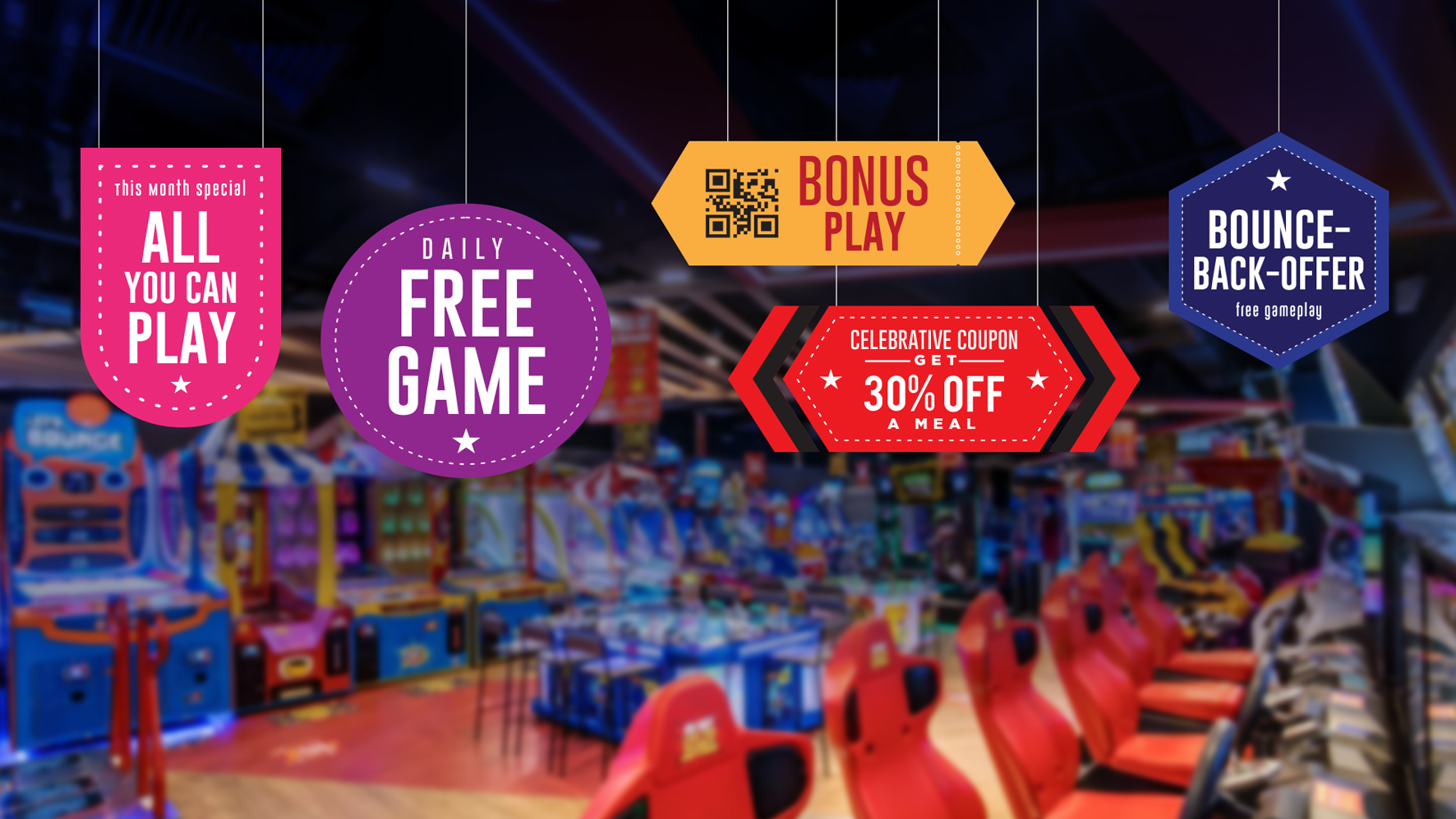
Instead of sending the same promotion to every customer, you can use guest data to create personalised communications based on previous visits, attraction preferences, spending habits, and loyalty activity. A family that regularly visits during school holidays may appreciate advance access to seasonal events, while competitive players may respond better to tournament invitations or bonus gameplay offers.
This level of personalisation creates more meaningful interactions while improving marketing efficiency. Guests receive offers that are relevant to them, while operators maximise the effectiveness of every campaign.
Solutions like Mobile Wallet can help you get started on building your guest database. Guests key in their personal information (all safely stored with mobile encryption technology), and from there, you can have an overview of frequently engaged games or attractions, average spend per visit, and other data that can help you layer value with every visit.
Smart reporting tools can also automate the tedious task of looking for spending or visit patterns that you can utilise to create low-effort, high-value promotions.
3. Create experiences worth talking—and posting—about.
Throughout the conversation, the Peer Talk panelists covered that memorable experiences remain one of the most powerful forms of marketing. Shareability is not just word-of-mouth anymore; is it Instagrammable? Is it nice enough to take pictures of/with?
While promotions and discounts can encourage first-time visits, unique experiences create conversations that naturally generate word-of-mouth referrals. Seasonal celebrations, themed game nights, birthday experiences, family tournaments, sensory-friendly sessions, and community events all provide reasons for guests to return while giving them stories to share with friends and family.
When combined with rich customer data, these experiences become even more impactful, enabling operators to promote the right events to the right audiences at the right time.
4. Adopt a growth mindset for long-term success.
If you finished the video, the biggest lesson from the Peer Talk wasn't even about technology. It was about a different mindset.
The most successful operators continuously experiment, measure results, and adapt. They aren't afraid to test new partnerships, try different campaigns, or refine guest experiences based on customer feedback. Every campaign becomes an opportunity to learn something new about their community.
Technology provides the insights. Data reveals the opportunities. But it is curiosity, creativity, and the adaptability and willingness to innovate that ultimately help operators own their backyard.
As Sara Paz noted, local marketing isn't a one-time campaign. It's an ongoing commitment to understanding your community, building stronger relationships, and continually improving the guest experience. After all, your homecourt should be where you're strongest.




.svg)
.svg)
.svg)
.svg)
.svg)