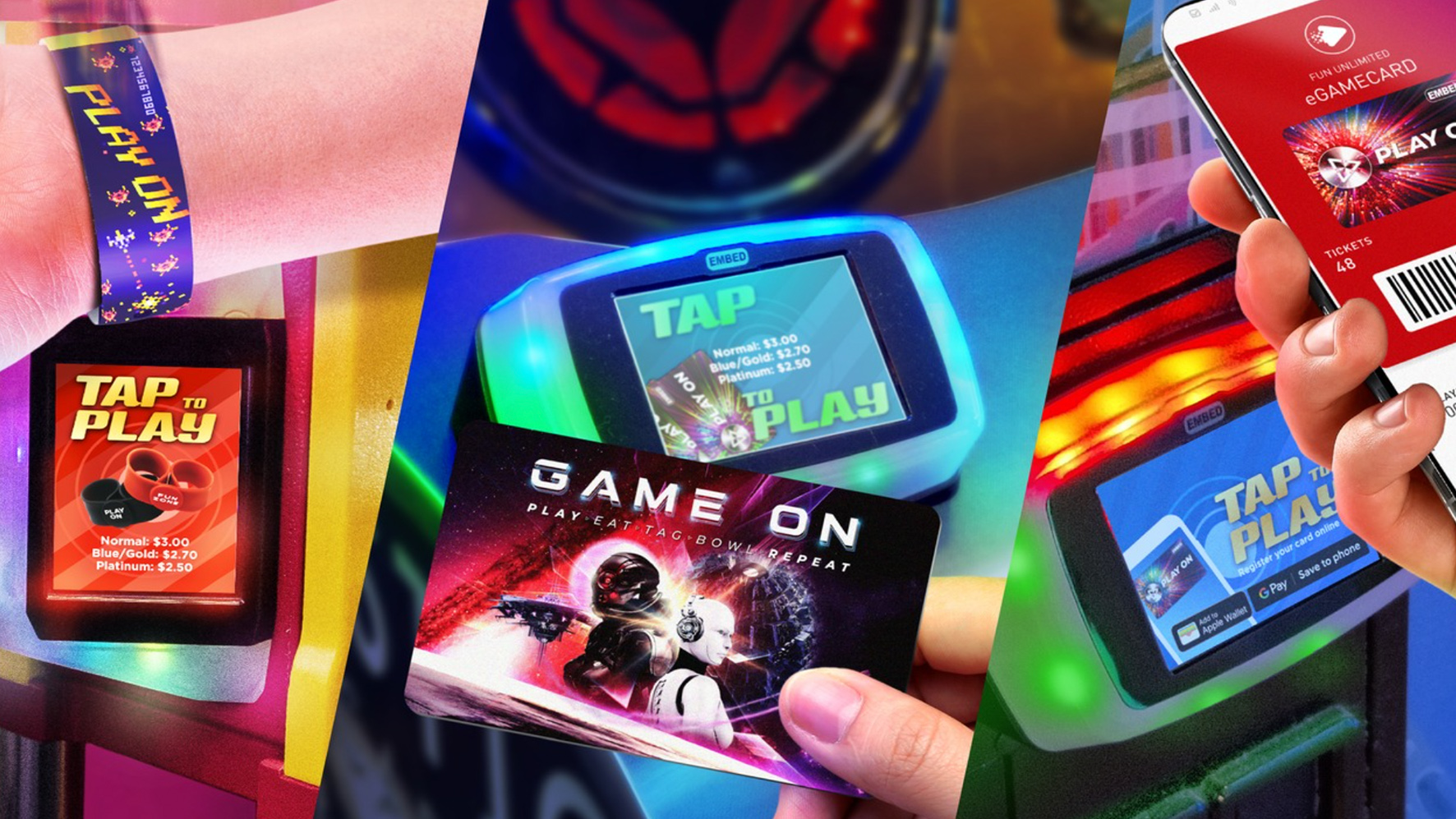
The US family entertainment centre (FEC) industry has undergone a major transformation. Since COVID, tokens and coins have largely disappeared, replaced by reloadable game cards, RFID wristbands, and mobile wallets powered by integrated cashless systems.
While these technologies dramatically improve the guest experience and operational efficiency, they introduce a financial reality many owners underestimate: Unused Arcade Card Balances — the total prepaid value guests have loaded but not yet used.
For today’s FECs, unused arcade credits can quietly become one of the largest liabilities on the balance sheet. Effectively managing finances — particularly with an integrated cashless arcade system — is now crucial for financial health, compliance, and long-term growth.

The Scale of Unused Stored Value in the United States
Unused prepaid balances are not a niche phenomenon — they represent tens of billions of dollars across the US economy.
Research shows:
-
- Americans hold approximately $21 billion in unused gift cards and store credits.
- 43% of US adults have at least one unused card, averaging about $244 per person.
- Large corporations see the same pattern — Starbucks alone has reported roughly $1.8 billion in unredeemed stored value on its books.
For FEC operators, the implication is clear: Small leftover balances across thousands of visitors can accumulate into substantial long-term liability. But with the right arcade cashless system, those unused balances can also become a powerful revenue driver.
What are Unused Arcade Card Balances — in Practical Terms?
While “float” is the financial term, many operators think of it more simply as unused balances. In an arcade or FEC, unused balances typically come from:
-
- Guests loading round amounts like $20, $50, or $100
- Bonus credit promotions
- Birthday parties with leftover value
- Guests saving credits “for next time.”
From an accounting standpoint, these balances remain a liability until they are redeemed or legally settled. But operationally, they represent something more. They represent a built-in reason for guests to return – Unused card balances are a retention asset.

How Operators are turning unused balances into actionable Insight

How Do Cashless Systems Increase Opportunity?
Modern arcade debit systems are designed to increase spending efficiency — and they work. Cashless arcade systems encourage:
- Larger upfront loads
- Reload bonuses
- Seamless cross-spend between games, attractions, and F&B
- Faster transactions
When guests can view their balance, reload from home, and plan their next visit digitally, spending is no longer limited to time inside your four walls. Reload revenue can happen on days — even weeks — after the initial visit.

How a Modern Arcade Cashless System Helps
A strong arcade cashless system does more than process taps. It provides visibility and control.
Key capability: Real-Time Stored Value Reporting
With this feature, operators gain instant access to critical financial information, including:
-
- Total outstanding balances
- Breakdown of paid credits versus promotional credits
- Status of active versus inactive accounts
- Track monetary liability separately
- Track promotional credits independently
- Apply different rules if needed
- Targeted reactivation campaigns
- Data-driven decision-making
- Cleaner liability forecasting
This real-time reporting not only enhances financial transparency but also ensures that management is well-prepared for audits and financial assessments. By leveraging these insights, arcade operators can make informed decisions that ultimately drive revenue and improve customer satisfaction.

Separate Paid Value from Bonus Credits
Not all balances carry equal financial weight.
A well-designed arcade debit card system allows operators to:
-
- Track monetary liability separately
- Track promotional credits independently
- Apply different rules if needed
This simplifies reporting and strengthens compliance positioning.

Identify Dormant Accounts
Rather than guessing which cards are inactive, a modern arcade management system can flag accounts that haven’t been used in defined periods. This enables:
-
- Targeted reactivation campaigns
- Data-driven decision-making
- Cleaner liability forecasting
Why Mobile Wallet Integration Changes Everything
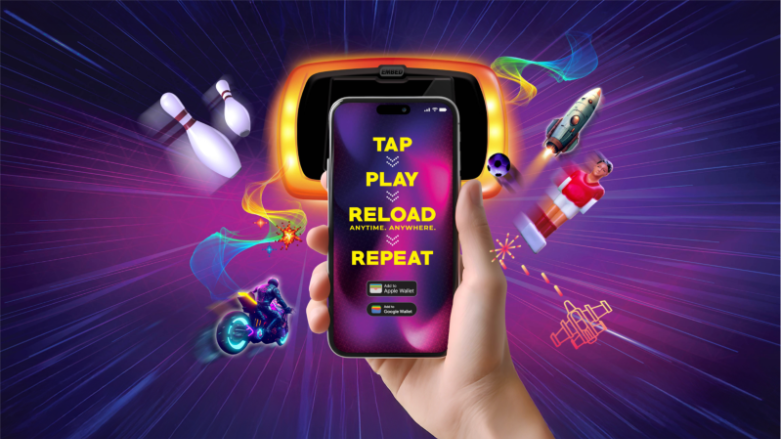
The biggest evolution in arcade debit systems isn’t the hardware — it’s connectivity. When stored value exists solely on a physical card, any unused balances will be lost with the card. But when balances are tied to a digital account or mobile wallet, the operator maintains a connection.
Solutions like the mobile wallet offered by Embed allow guests to:
-
- Store credits digitally
- Reload from their phone
- Tap to play
- Never lose their balance
For operators, this means:
-
- You can notify guests about remaining balances
- You can promote reload bonuses
- You can send targeted offers
- You can encourage return visits
Unused balances shift from static liability to an active engagement tool.
Driving Repeat Visits Through Stored Value
Mobile wallet makes re-engagement simple. Instead of hoping guests return, operators can:
-
- Send balance reminders
- Offer limited-time reload bonuses
- Trigger promotions when balances fall below a threshold
- Encourage event-based returns
When guests see their remaining value in an app, they are significantly more likely to top up and return. 
Operational Benefits Beyond Stored Value
The advantages of a cashless system extend far beyond unused balances.
Faster Throughput
Tap-and-play systems reduce lines and improve guest satisfaction.
Reduced Cash Handling
Lower labour costs and fewer reconciliation errors.
Centralised Reporting
Unified data across arcade games, attractions, F&B, and retail.
Lower Shrinkage
Eliminating coins reduces theft and mechanical failure.
For growth-focused FEC owners, these operational efficiencies directly impact margins.
From Liability to Loyalty
Every FEC operating a cashless arcade system has unused balances.
The difference between average operators and leading venues isn’t whether those balances exist. It’s whether they are:
-
- Visible
- Managed
- Connected to guest accounts
- Used to drive re-engagement
Cashless systems were initially adopted for operational efficiency. Today, when paired with mobile wallet functionality, they are powerful loyalty engines. Unused balances stop being a passive liability — and become an active revenue strategy.

Final Thoughts
The shift to integrated cashless systems has permanently changed the US FEC landscape. Float — or unused stored value — is now part of doing business. But it does not have to be a hidden risk. With a modern arcade debit system, real-time reporting, and digital payments like mobile wallet, FEC owners can:
-
- Strengthen financial visibility
- Improve compliance readiness
- Increase reload revenue
- Drive repeat visits
- Build long-term guest loyalty
In a competitive entertainment market, the venues that manage stored value intelligently will outperform those that treat it as an afterthought.






.svg)
.svg)
.svg)
.svg)
.svg)