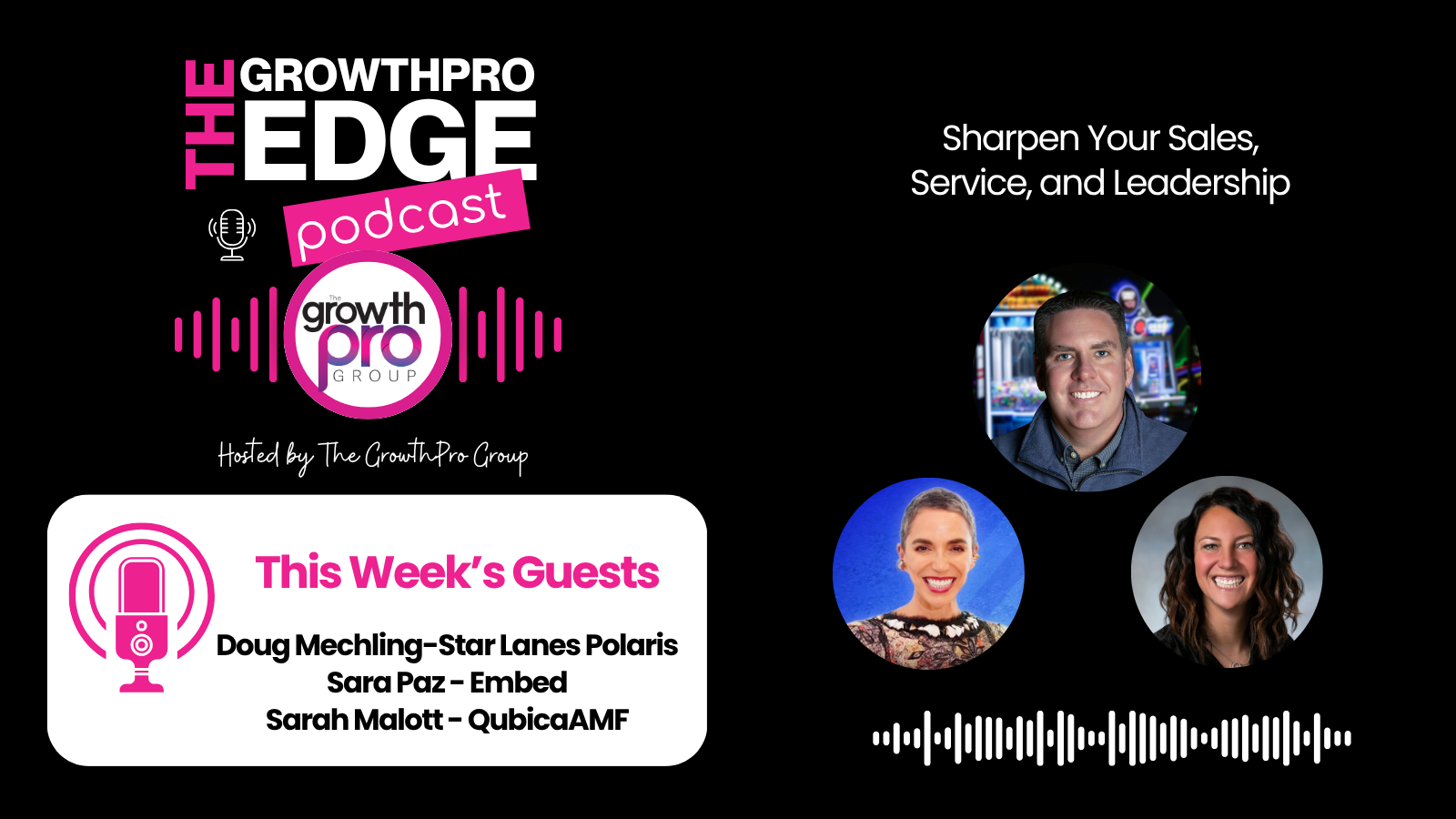
Being named FEC of the Year is not a single-moment achievement. For Star Lanes Polaris, a 35,000 sq ft bowling family entertainment centre in Columbus, Ohio, it's the result of 13 years of reinvestment, the right technology partnerships, and a commitment to constantly enhance the guest experience.
On an episode of the GrowthPro Edge podcast, host Denise Killian sat down with Star Lanes Polaris co-owner Doug Mechling alongside Sara Paz from Embed and Sarah Malott from QubicaAMF to unpack what it actually takes to win—and to stay winning.
Here are some key takeaways from the discussion between industry experts:
1. Your venue should never look its age.
Star Lanes Polaris has been open since 2013. But when QubicaAMF and Embed teams visited for FEC Connect, they would not have guessed it.
Mechling and his family have never stopped reinvesting in the business. They constantly replaced hardware, upgraded software, refreshed the game room mix, and made bold capital investments like their latest Neoverse video wall installation. All these efforts simply because guests deserve a great product, regardless of how long you have been around.
If people can tell from just looking that you've been in the game for a while now, maybe it's time for a revamp.
2. Technology is your competitive edge.
Star Lanes Polaris sits in a suburb surrounded by Topgolf, Puttshack, Dave & Buster's, and Activate—a single-location, family-owned operation, competing against well-funded chains.
As for Doug Mechling, his competitors simply do not have better systems when it comes to his venue's tech. He knows that the systems they have in place are reliable.
Downtime means lost revenue. A red swiper on a card reader, a pin deck that goes dark on a Saturday night, a POS that can't keep up with peak demand—these failures cost both money and guest loyalty. The right tech partners should enable you to stay operational even during these trying times.
The Square POS integration between Embed and QubicaAMF is a good example. What once required operators to work with disconnected systems is now an integrated experience—one that brings Star Lanes Polaris to a successful loyalty and rewards programme that works across all revenue streams.
And here's the secret:
How to Choose Tech Partners that will Keep Your Doors Open for Decades
Mechling opened Star Lanes Polaris with both Embed and QubicaAMF as recommendations from other operators in the industry. More than a decade later, he has never switched. Here are some of his non-negotiables:
1. Quick responsiveness when things go south. No relationship is perfect. What differentiates a good partner is how they respond when a problem arises. Both Embed and QubicaAMF have maintained that standard consistently.
2. An innovative mindset with a listening ear. Mechling is not looking for partners who set it and forget it. He wants vendors who are actively building better products and involve customers in planning the big moves. When he pushed for the Square-Embed integration, the companies evaluated the overlap of shared customers, and it became a no-brainer and was prioritised on the roadmap. His voice was heard.
|
3. Same treatment with FEC chains and single-location venues. Mechling acknowledged that both Embed and QubicaAMF treated him as they would bigger customers. When a provider takes your ideas seriously and follows through, it's worth more than any discount. 4. "If You Buy on Price, You'll Pay Twice." Choosing a system based on the lowest upfront cost rarely accounts for the real expenses: downtime, poor support, limited integrations, and the time spent working around a product that does not fit your operation. The better questions to ask before committing to a technology partner include: |
|
|
For QubicaAMF's Sarah Malott, this transparency goes both ways. QubicaAMF manufactures its products in the US (with software developed at its headquarters in Bologna, Italy) and never simply drops off a quote without first understanding the venue. Customisation is part of the model—because not every product is the right fit for every operator. |
More Tips from One of the Industry's Best
-
Fill slow hours with small wins.
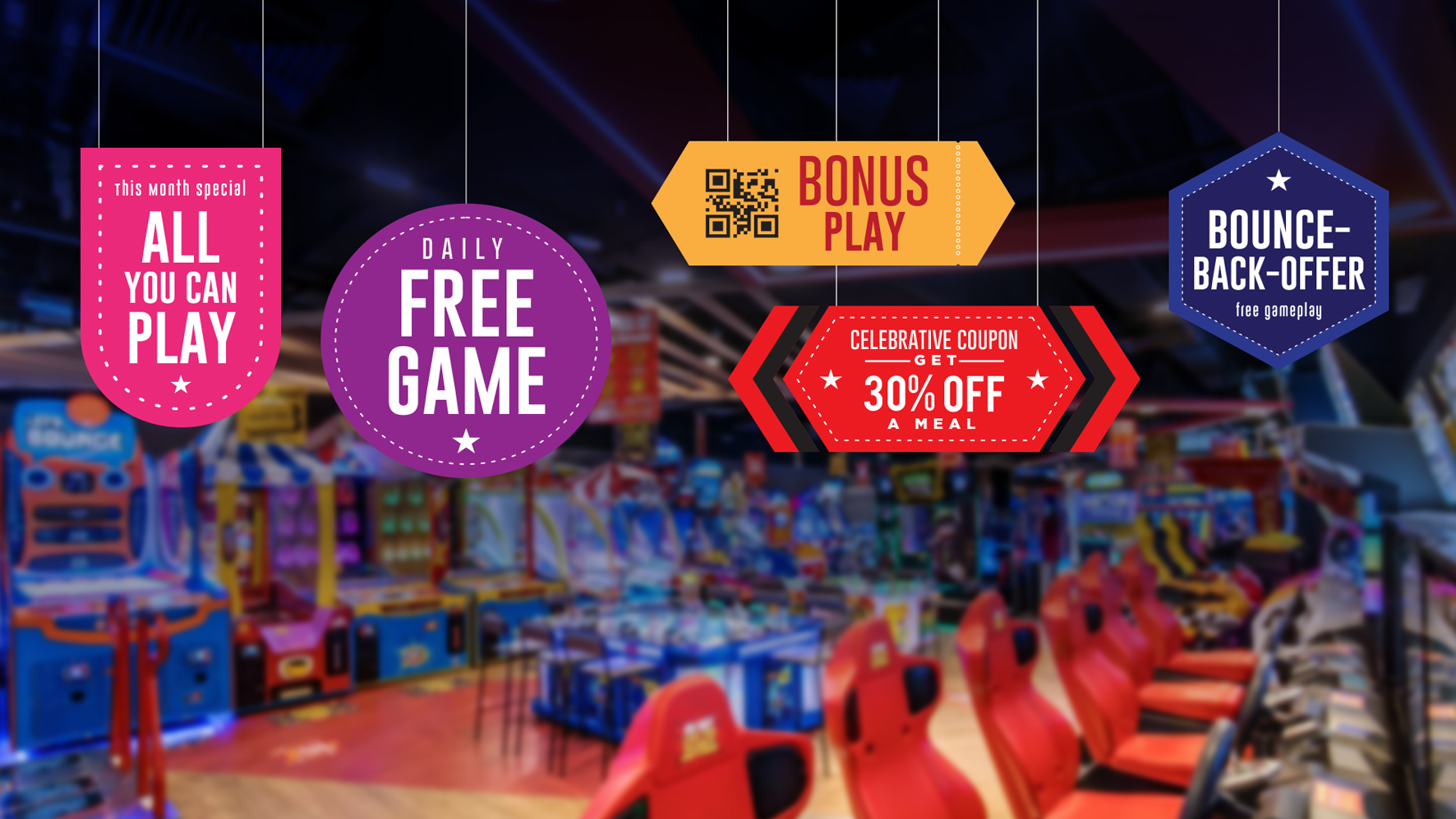
Star Lanes Polaris runs targeted offers for homeschooling families during times of day that would otherwise be low-traffic. It is a simple idea with a real revenue impact—filling off-peak hours with a guest segment that is available and looking for exactly this kind of venue.
Check out other examples of this trick from a local marketing standpoint.
-
Stay curious in this fast-moving industry.
The FEC industry is evolving faster than ever, and the operators who will thrive are the ones who keep learning.
That means attending industry events. Reading. Asking questions of your vendor partners. Not being overwhelmed by AI or emerging technology. The opportunity is figuring out how to layer it into existing products to reduce friction and increase productivity.
The FEC industry is unusually generous in this way. Operators share knowledge with competitors. Vendors advise on CAD drawings before a shovel hits the ground. Companies collaborate across integrations to serve a shared customer better. That collaborative spirit is part of what makes Star Lanes Polaris' success possible — and what makes it repeatable.
Experience Star Lanes Polaris' system of choice.
Explore Embed's SALES Roaming POS and hardware solutions—or reach out to our team to see what the right tech stack looks like for your venue.




.svg)
.svg)
.svg)
.svg)
.svg)